
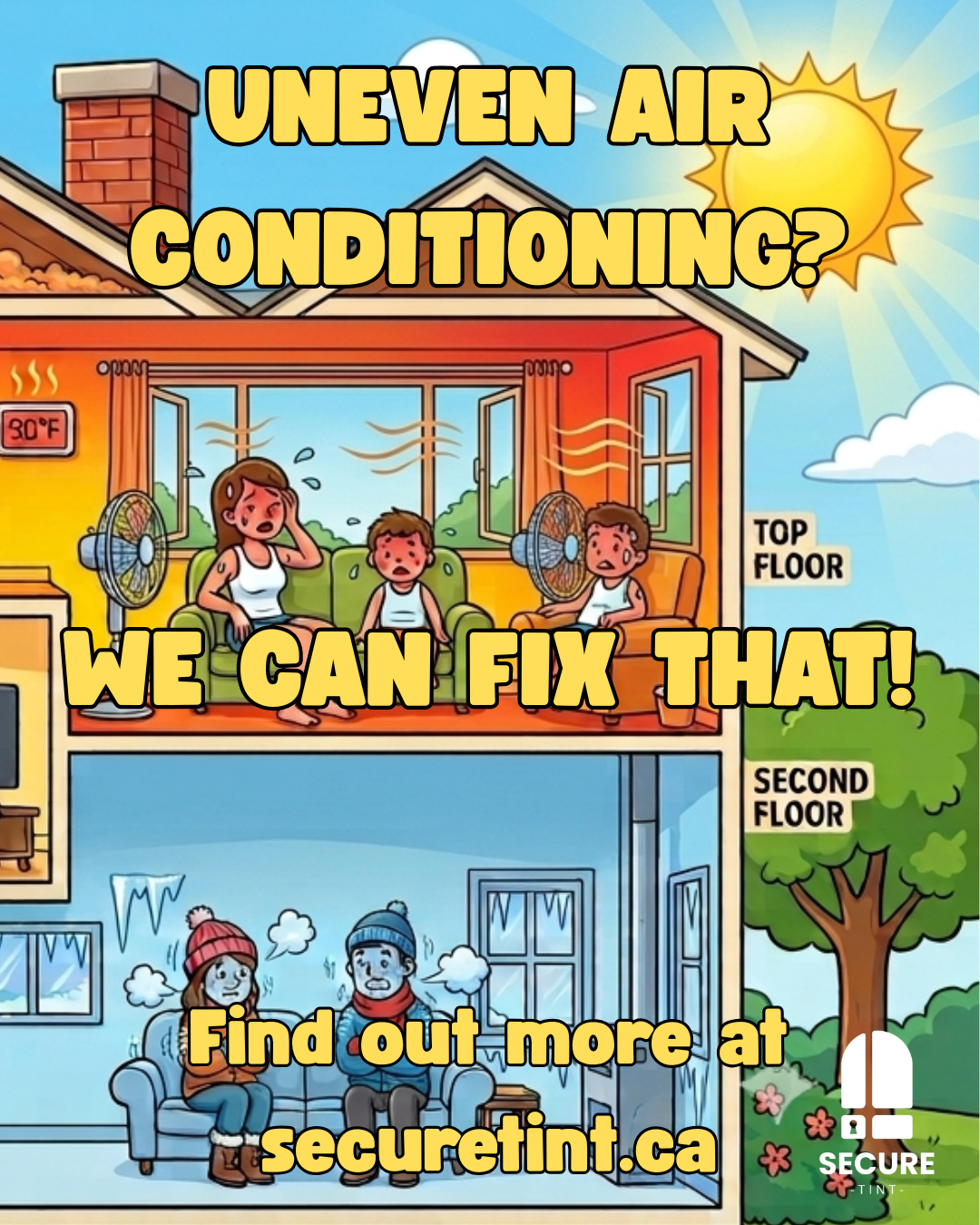
Uneven Air Conditioning? The Problem Might Be Your Windows, Not Your HVAC System
If you've ever walked from one room to another and felt like you crossed into a different climate zone, you're not imagining it. The west-facing bedroom is stifling by late afternoon while the room next to it stays comfortable. In an office, one conference room runs cold while the corner office down the hall feels like a greenhouse. The instinct is usually to blame the furnace or air conditioner, adjust the thermostat, or add a fan. But in homes and businesses alike, when the imbalance is tied to certain rooms or certain times of day, the real culprit is often the glass.
Why AC Distribution Gets Uneven in the First Place
Glass is the least insulating part of any building envelope, whether it's a house or a commercial property. Windows let in natural light, which is great for the space, but they also let in solar heat, and that heat load isn't spread evenly. It depends entirely on which direction each window faces and how much glass is in a given room.
A few patterns show up again and again in both homes and commercial buildings:
West- and south-facing rooms run hotter, especially in the afternoon and evening, because they absorb the most direct solar radiation.
HVAC and central air systems are sized for the average load of the whole building, not the extremes created by sun-exposed rooms, so they end up overcooling other areas just to keep the hot spots livable.
Older or single-pane windows offer very little resistance to solar heat gain, so even a properly sized system struggles to keep up in glass-heavy rooms.
Blinds and curtains only block light, not the heat that's already radiating through the glass — which is why a room can still feel warm with the blinds drawn.
The result is the same whether it's a family room or a boardroom: the cooling system works overtime in some areas and barely has to work in others, driving up energy bills while comfort complaints keep piling up.
How Solar Window Film Helps Rebalance the Load
Flat glass solar window film is applied directly to existing windows and reduces the amount of solar heat and UV radiation that passes through the glass, without sacrificing natural light the way blinds, awnings, or tinted glass replacement would.
Here's why that matters for uneven cooling specifically:
It reduces heat gain at the source. Instead of trying to remove heat after it's already built up in a room, solar film cuts down how much solar energy gets through the glass in the first place. That means less strain on the air conditioning system in the rooms that need it most — whether that's a sunroom, a home office, or a west-facing retail storefront.
It evens out the thermal load across the space. By treating the glass on the sun-exposed side of a home or building, film brings those rooms closer in line with shaded or interior spaces. HVAC systems — central or zoned — can then run more consistently instead of overcompensating in one area and underperforming in another.
It improves the accuracy of zoned or room-by-room climate control. Homes with multiple thermostats and businesses with zoned HVAC systems both rely on each zone behaving predictably. When solar heat gain varies wildly from room to room, thermostats struggle to keep up. Reducing that variability with film makes zoned systems, and even simple room-by-room adjustments, far more effective.
It protects against long-term system strain. Constantly cycling to fight solar heat gain shortens the lifespan of any air conditioning system, residential or commercial. Reducing that load isn't just a comfort fix — it's a maintenance and long-term cost fix too.
A Practical Alternative to Bigger Equipment or Full Window Replacement
When uneven cooling becomes a persistent problem, the instinct is often to upgrade the HVAC system, add a mini-split for the problem room, or replace the windows entirely. All of these are expensive and disruptive, and often more than the problem actually requires. Solar window film addresses the root cause — excess solar heat gain — at a fraction of the cost, with installation that's typically completed in a day and causes minimal disruption to a household or a business.
For homeowners dealing with one or two rooms that never seem to cool down, or businesses managing older buildings, leased spaces where window replacement isn't an option, or facilities where HVAC upgrades aren't in the budget this year, film offers a way to meaningfully improve comfort and efficiency without a major capital project.
in summary…
Uneven air conditioning is rarely just an HVAC problem — it's usually a window problem, and the glass is often the weak point. Flat glass solar window film gives homeowners and facility managers alike a way to reduce solar heat gain where it's happening, rebalance thermal loads across a space, and get more consistent, predictable performance out of the cooling systems they already have.
If certain rooms in your home or business always seem to run hot, it may be worth looking at the windows before looking at the ductwork.
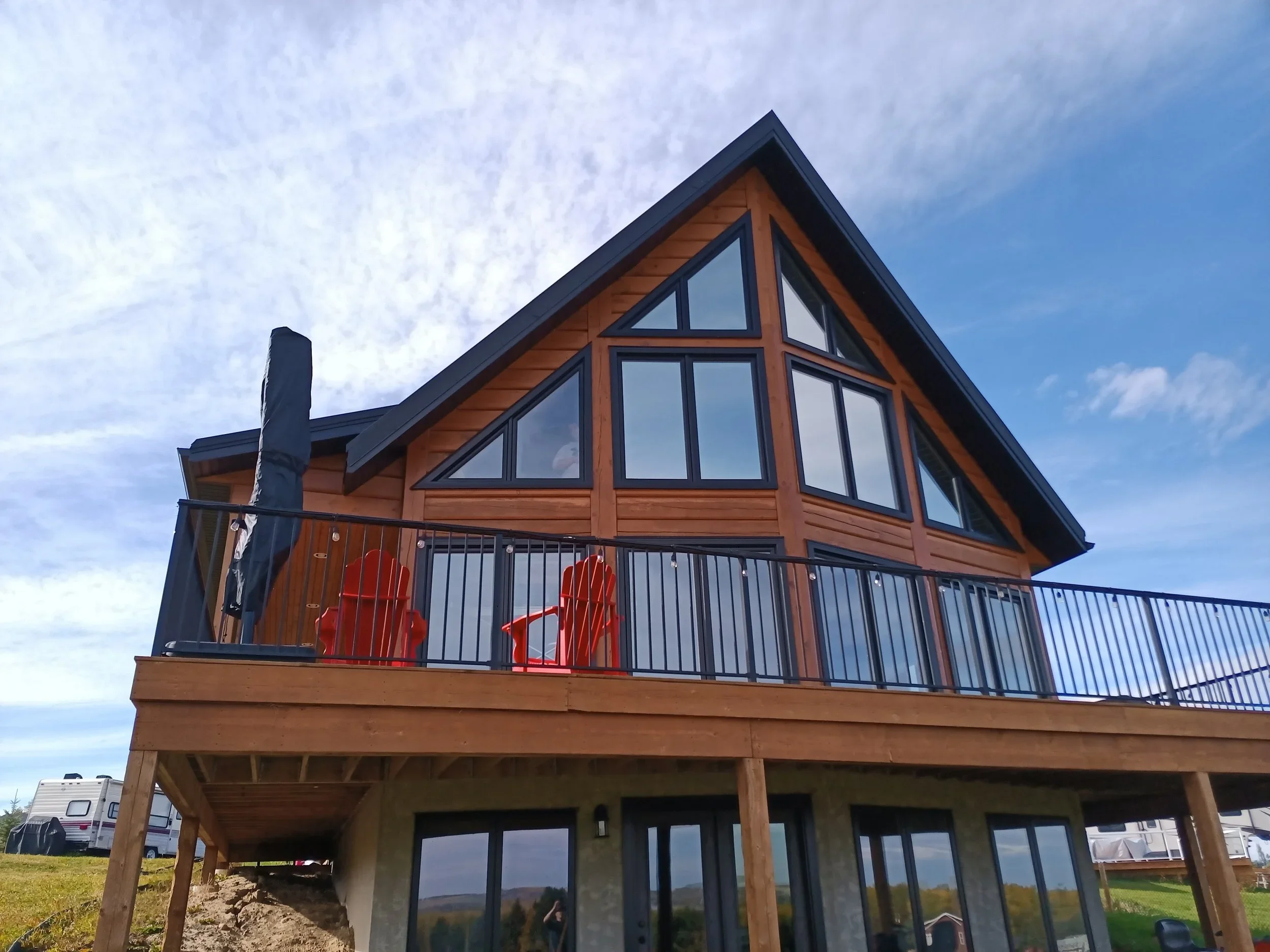
The Smarter Solar Investment Most Homeowners Have Never Considered
Solar panels get a lot of attention when the conversation turns to energy savings. They are marketed as the go-to solution for homeowners who want to reduce their energy bills and shrink their environmental footprint. And while solar panels do deliver long-term value, they come with a price tag and a payback timeline that gives many homeowners pause.
There is another solar investment that works from day one, costs a fraction of the price, and starts paying itself off almost immediately. Most homeowners have never seriously considered it. That investment is solar window film.
The Problem With the Solar Panel Conversation
Solar panels are a significant financial commitment. A typical residential installation runs between $15,000 and $30,000 before incentives and rebates. Even with government programs helping to offset the cost, the average payback period for a solar panel system sits somewhere between eight and twelve years. That is a long time to wait before you break even on an investment.
There is nothing wrong with solar panels for the right home and the right situation. But for many homeowners, the upfront cost is a barrier, and the payback timeline is longer than they are comfortable with.
Solar window film approaches the energy savings equation from a completely different angle. Rather than generating energy, it reduces the amount of energy your home consumes in the first place, and it does so at roughly one tenth the cost of a solar panel installation.
How Solar Film Reduces Your Energy Costs
The largest driver of cooling costs in most homes is solar heat gain, meaning the heat that enters through your windows on warm and sunny days. Standard untreated glass does very little to block that heat. It passes through freely, raising the temperature inside your home and forcing your air conditioning system to work harder to compensate.
Solar window film blocks a significant portion of that heat before it ever enters your living space. Depending on the film, it can reject up to 80% of solar heat gain through treated windows. For a home with a lot of south or west-facing glass, that reduction translates directly into lower air conditioning costs every single month of the cooling season.
The math is straightforward. Less heat coming in means your AC runs less. Your AC running less means lower energy bills. Lower energy bills month after month means your window film investment pays itself off on a timeline that solar panels simply cannot match.
Premium Films Take It a Step Further
Basic solar films focus primarily on heat rejection during warm months. Premium insulating films go beyond that. By adding a low-emissivity layer to your existing glass, they improve the thermal performance of your windows in both directions, blocking heat gain in summer and reducing heat loss in winter.
This means that with a premium film, you are not just saving money on air conditioning. You are also reducing your heating costs during colder months by improving the insulating value of your windows. For homeowners in climates that see both hot summers and cold winters, this two-season benefit accelerates the payback timeline even further.
A Payback Timeline That Actually Makes Sense
A professional solar window film installation for a typical home costs a fraction of what a solar panel system runs. When you factor in the energy savings generated by reduced cooling loads, and in the case of premium films, reduced heating costs as well, the payback period for window film is often measured in years rather than decades.
For many homeowners, solar film pays itself off within two to five years depending on the size of the home, the amount of glass, local energy rates, and climate. After that point, every month of energy savings is money back in your pocket with no further investment required.
Compare that to a solar panel system with a ten-year payback period and the choice becomes much clearer for homeowners who want real, near-term returns on their investment.
The Installation Is Simple
Solar panel installations require structural assessments, roof penetrations, electrical work, permits, and inspections. The process is involved and disruptive.
Window film installation is completed in a single day in most cases, with no structural changes, no permits, and no disruption beyond access to your windows. Your home looks the same from the outside, and inside you immediately benefit from reduced glare, more consistent temperatures, and lower energy consumption.
Two Smart Investments, One Clear Winner on Value
Solar panels have their place, and for the right homeowner they make sense. But if your goal is to reduce energy costs and see a real return on your investment in a reasonable timeframe, solar window film delivers that outcome faster, at a lower cost, and with far less complexity.
Secure Tint offers a full range of solar and insulating window films for residential and commercial properties. Whether you are looking for basic heat rejection or a premium film that insulates through all four seasons, we will help you find the right product for your home and your budget.
Contact Secure Tint today for a free estimate and find out how quickly your windows can start working for you.
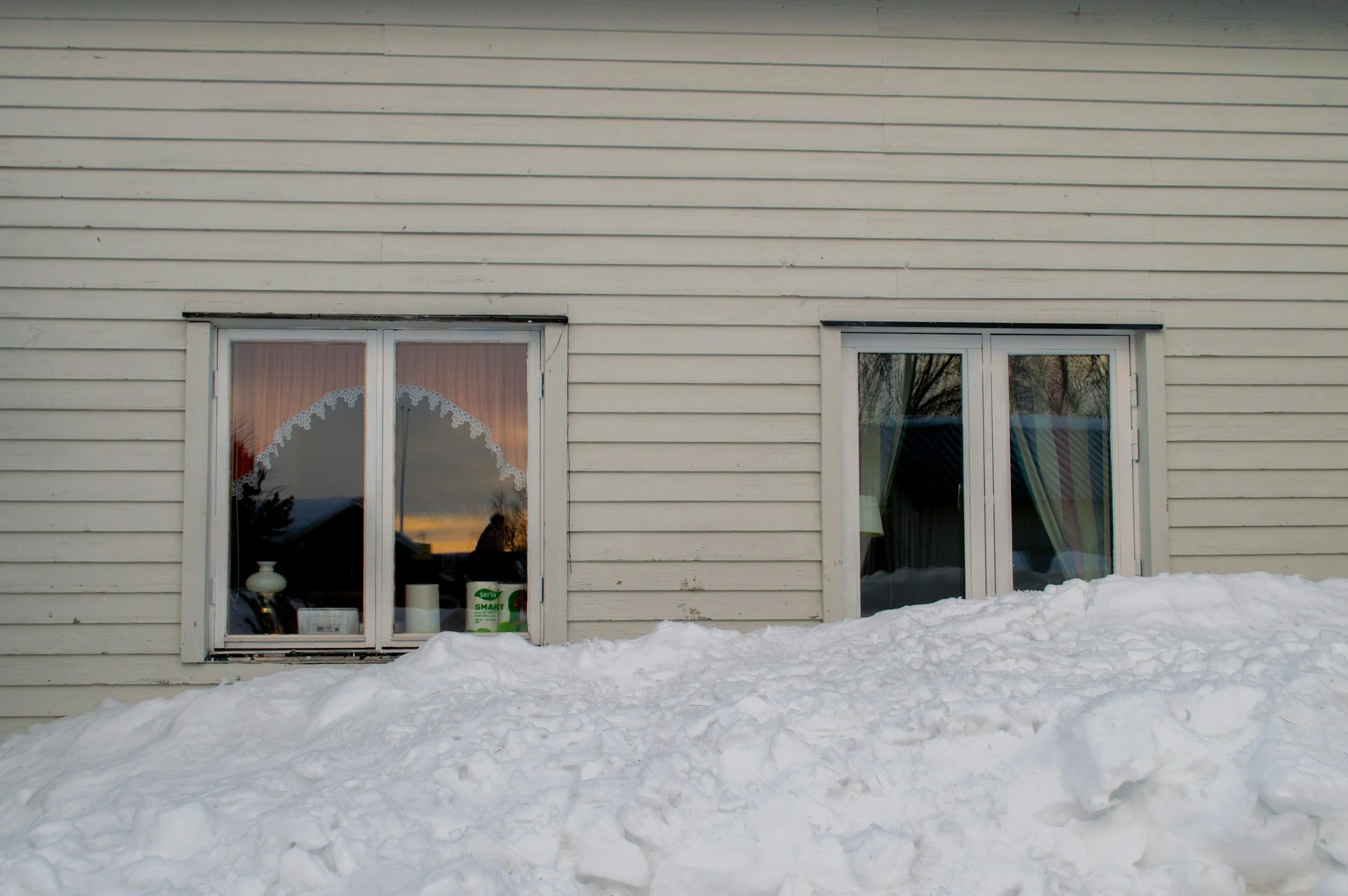
Before you replace your windows, read this!
Get More From Your Windows Without Replacing Them
Replacing the windows in a home or commercial building is one of the most disruptive and expensive upgrades a property owner can undertake. Depending on the size of the building, a full window replacement project can run tens of thousands of dollars, require days of work, and still leave you wondering whether the return on investment justifies the cost.
There is a better option that most people have never considered. Window film can bring your existing dual pane windows close to the thermal performance of triple pane windows, at a fraction of the price.
Understanding R-Value and Why It Matters
R-value is a measure of thermal resistance. The higher the R-value, the better a material resists heat transfer. In practical terms, a higher R-value means your heating and cooling system works less hard to maintain a comfortable temperature, because less heat is escaping in winter and less heat is entering in summer.
Windows are one of the weakest points in any building's thermal envelope. Even good windows lose significantly more heat per square foot than an insulated wall. This is why upgrading window performance has such a noticeable effect on energy bills and interior comfort.
A standard builder-grade dual pane window typically carries an R-value in the range of R-2 to R-3. A builder-grade triple pane window steps that up to roughly R-3 to R-5. The difference is meaningful, and it is the reason many homeowners consider replacing their dual pane windows when energy costs become a concern.
What Window Film Does to That Equation
High-quality insulating window film works by adding a low-emissivity layer to your existing glass. This layer reflects radiant heat back to its source, keeping warmth inside during winter and blocking solar heat from entering during summer. The result is a measurable improvement in the thermal performance of your existing windows.
When applied to a standard dual pane window, quality insulating film can push the effective R-value into the range that builder-grade triple pane windows occupy. You don’t have to replace your windows. You can upgrade performance, using the glass you already have!
The Cost Comparison Is Not Close
A full home window replacement project is a major capital expense. Depending on the number of windows, the frame material, and the installation, homeowners can expect to spend anywhere from $8,000 to $25,000 or more for a typical home. And that cost comes with the disruption of having a crew working through your home for several days.
Professional window film installation is completed in a fraction of the time and at a fraction of the cost. The thermal improvement you gain per dollar spent is considerably better with film than with window replacement, particularly when your existing windows are otherwise in good condition.
For commercial properties, the math becomes even more compelling. Large glass surfaces mean significant heat gain and loss. Improving the R-value across that glass through film installation can produce energy savings that pay back the cost of the film within a few years, and continue generating savings long after.
Comfort Goes Beyond the Energy Bill
There is another reason to care about R-value beyond what you pay for heat and air conditioning. Low R-value windows create uncomfortable zones in your building. Rooms with large south or west-facing windows become hot in the afternoon. Areas near windows feel drafty in winter, not because of air leaks, but because of radiant heat loss through the glass. Occupants unconsciously avoid those areas or compensate by adjusting the thermostat, which costs more money.
Insulating window film addresses these comfort problems directly. By improving the thermal performance of the glass itself, it levels out the temperature distribution throughout the building and makes the spaces near windows usable and comfortable year-round.
The Practical Choice
If your windows are structurally sound and in good condition, replacing them purely for thermal performance is hard to justify when film can close most of the gap at a much lower cost. The money you save on the installation can go toward other improvements, and the energy savings you gain from better R-value start working for you right away.
Secure Tint installs insulating window film for both residential and commercial properties. We will evaluate your existing windows, walk you through the performance gains you can expect, and provide a clear picture of what the investment looks like compared to the alternative.
You do not need new windows to get better performance out of the ones you have.
Contact Secure Tint today to find out how much you could be saving.
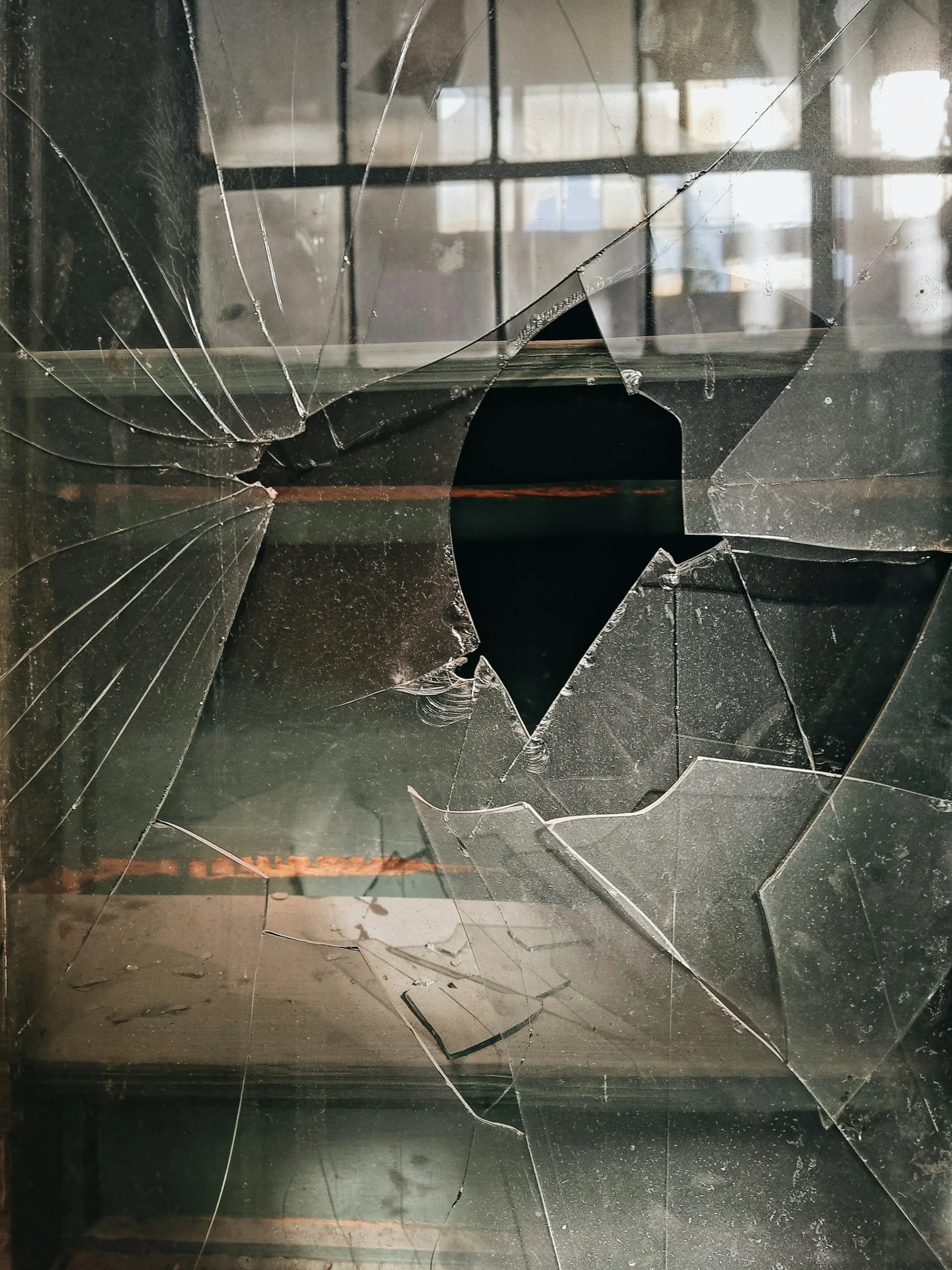
Why get security film?
Why Security Film Is One of the Best Investments You Can Make for Your Business
When business owners think about security, they usually think about alarm systems, cameras, and locks. These are all worthwhile measures. But there is a vulnerability that most businesses leave completely unaddressed, and it is the most visible part of your building: the glass.
Windows and glass doors are the path of least resistance for anyone looking to break in quickly. A single strike from a rock or a hammer is often all it takes to get through standard glass. For a smash-and-grab thief, that means being inside your business and back out in under a minute, long before any alarm response arrives.
Security window film does not change what your building looks like. But it changes everything about how your glass behaves under impact.
How Security Film Works
Standard glass, when broken, shatters and falls away almost instantly. Security film holds the broken pieces together. The glass still cracks, but the film keeps it intact as a barrier, significantly slowing down anyone trying to force entry. What would have taken seconds now takes minutes, and most opportunistic thieves will not wait that long.
Secure Tint's security films are engineered to absorb and distribute the force of an impact across the glass surface. The result is a window that resists penetration far beyond what untreated glass can offer. Depending on the film thickness and application, security film can withstand repeated strikes before entry is achieved, if it is achieved at all.
The Concept of a Soft Target
Criminals, particularly those looking to rob a business quickly, make calculations before they act. They look for soft targets, meaning businesses where entry is fast, risk is low, and escape is easy. A storefront with standard glass fits that description. The barrier between a thief and your merchandise, cash, or equipment is one broken window.
When your glass is reinforced with security film, your business no longer looks or behaves like a soft target. A would-be intruder who tests your window and finds it resistant will almost always move on. The effort required and the time exposed to risk are no longer worth it. This is not a theoretical benefit. Studies on commercial burglary consistently show that resistance and delay are among the most effective deterrents available.
Security film does not have to announce itself to do its job. Its presence is not obvious from the outside, but its effect is immediate the moment someone tries to break through.
The Real Cost of a Break-In
A broken window and a stolen till is not the full cost of a commercial break-in. There is also the cost of emergency glass replacement, often at after-hours rates. There is the disruption to your business while repairs are made. There is the potential for damage to inventory or equipment during the entry. There are insurance deductibles, potential rate increases, and the time spent dealing with police reports and claims.
For many small and mid-sized businesses, a single break-in costs several thousand dollars when everything is tallied. Security film costs a fraction of that, and it does not expire after one incident. It continues protecting your business day after day.
A Layer of Protection That Works Around the Clock
Alarm systems require a response. Cameras record what happened after the fact. Security film stops the entry itself. It is the only security measure that physically stands between an intruder and access to your building.
For businesses with high-value inventory, cash on hand, or equipment that cannot afford to be damaged or stolen, that distinction matters. Security film works whether your alarm goes off or not, whether your cameras are monitored or not, and whether anyone is nearby or not.
Protect Your Business Before You Need To
The time to reinforce your glass is before an incident, not after one. Once a break-in has occurred, the cost and disruption are already real. Installing security film now means your business is no longer the easy option on the street.
Secure Tint offers professional security film installation for commercial properties of all sizes. We will assess your glass, recommend the right film for your risk level and budget, and install it with minimal disruption to your operation.
Your business represents years of work. Do not leave its protection to chance.
Contact Secure Tint today to schedule a commercial security assessment.
Stop Letting the Sun Steal Your Home's Value!
The Creeping Destroyer
Your home is likely the largest investment you will ever make. You maintain the roof, service the HVAC, and keep up with repairs, all to protect that investment. But there is one source of damage that most homeowners overlook entirely, and it works to devalue your home every single day: sunlight.
The Silent Cost of UV Damage
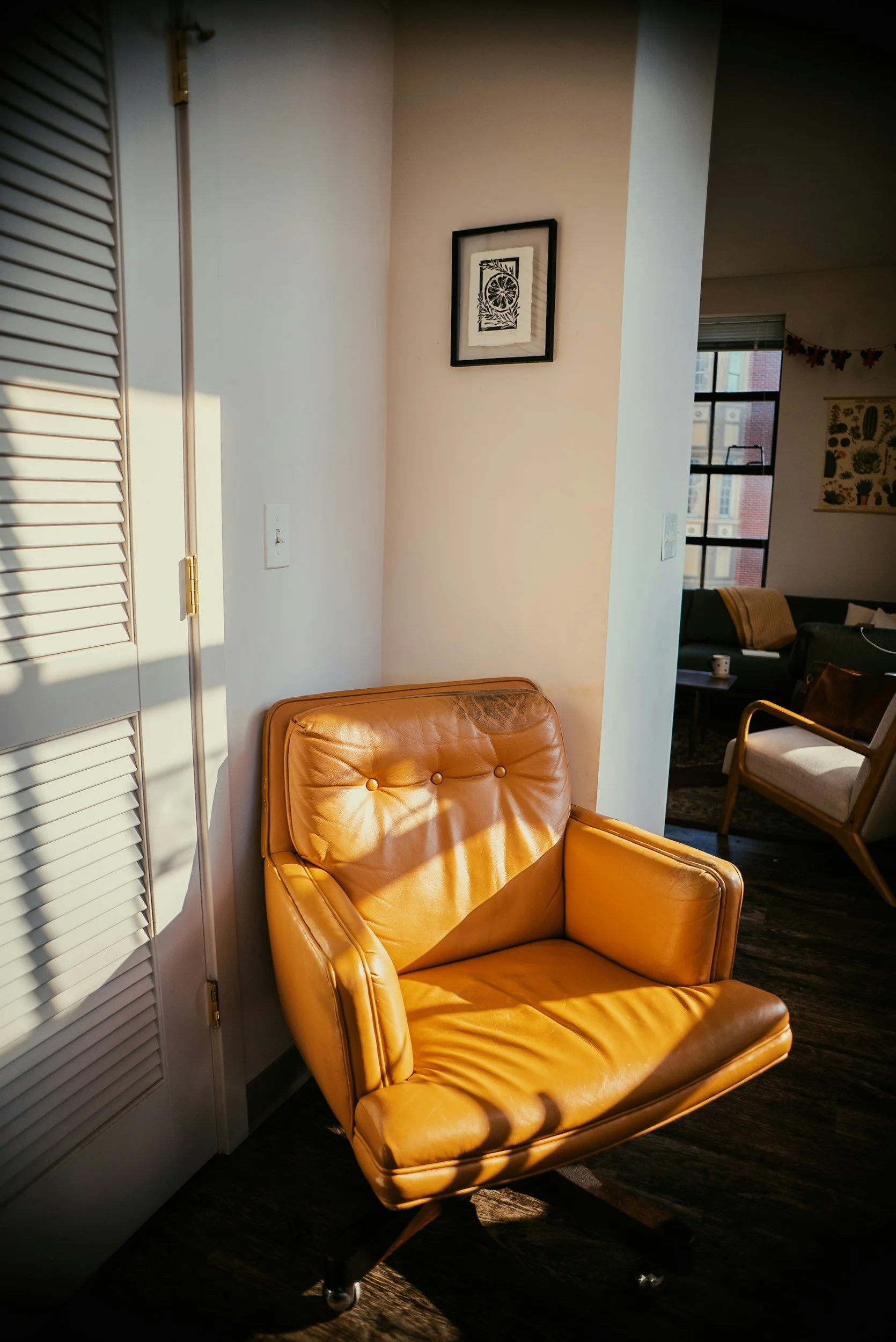
Ultraviolet rays do not just cause sunburn. Inside your home, they break down the dyes and fibers in flooring, furniture, and fabrics over time. Hardwood floors develop uneven, washed-out patches where the sun hits most. Area rugs lose their color. Sofas and chairs fade along the armrests and cushions that face the windows. Artwork and collectibles aren’t immune either.
The damage is gradual, which is part of why it goes unnoticed until it becomes significant. By the time the fading is obvious, the cost to address it is real. Refinishing hardwood floors runs into the thousands. Replacing furniture or area rugs is not cheap. When it comes time to sell your home, buyers notice. Faded, worn interiors signal neglect, and they affect your listing price accordingly.
What the Numbers Say
Experts estimate that up to 40% of UV radiation passes through standard untreated glass. Solar window films block up to 99% of UV rays, which is the primary driver of interior fading. That single change can dramatically extend the life of everything inside your home that sunlight touches.
Consider what you have invested in your flooring, furniture, and artwork. Now consider that those items may be losing value every year simply because of unfiltered light coming through your windows. Window film turns that passive loss into a non-issue.
The Investment That Pays You Back
Secure Tint's solar films are not just a protective measure. They are a financially sound decision. Here is why:
The cost of professionally installed window film is a fraction of what you would spend replacing faded floors or furniture. A single room's hardwood floor refinish can cost more than filming the windows of an entire home. When you look at it that way, window film is not an added expense. It is a way of avoiding a much larger one.
Beyond UV protection, solar films also reduce heat gain through your windows, which lowers the load on your air conditioning system. That translates to lower energy bills month after month. Over the life of the film, those savings add up to a meaningful return on your initial investment. In some cases, your window film will pay itself off in only 4 years!
Protection You Can Count On
Secure Tint installs flat glass window film designed to block harmful UV rays without overly darkening your rooms or distorting your view. The film works quietly in the background, protecting floors, furniture, and everything else in your home that sunlight reaches.
If you’ve noticed any fading in your home already, it’s not too late to stop further damage. Even if your home is still in good condition, window film is one of the most practical steps you can take to keep it that way.
The sun’s not going anywhere. The question is whether you’re going to let it keep working against your investment, or do something about it.
Contact Secure Tint today to learn which solar film options are right for your home!
How Solar Window Film Helps Stabilize Your Home's Temperature, and Why That Matters More Than You Think
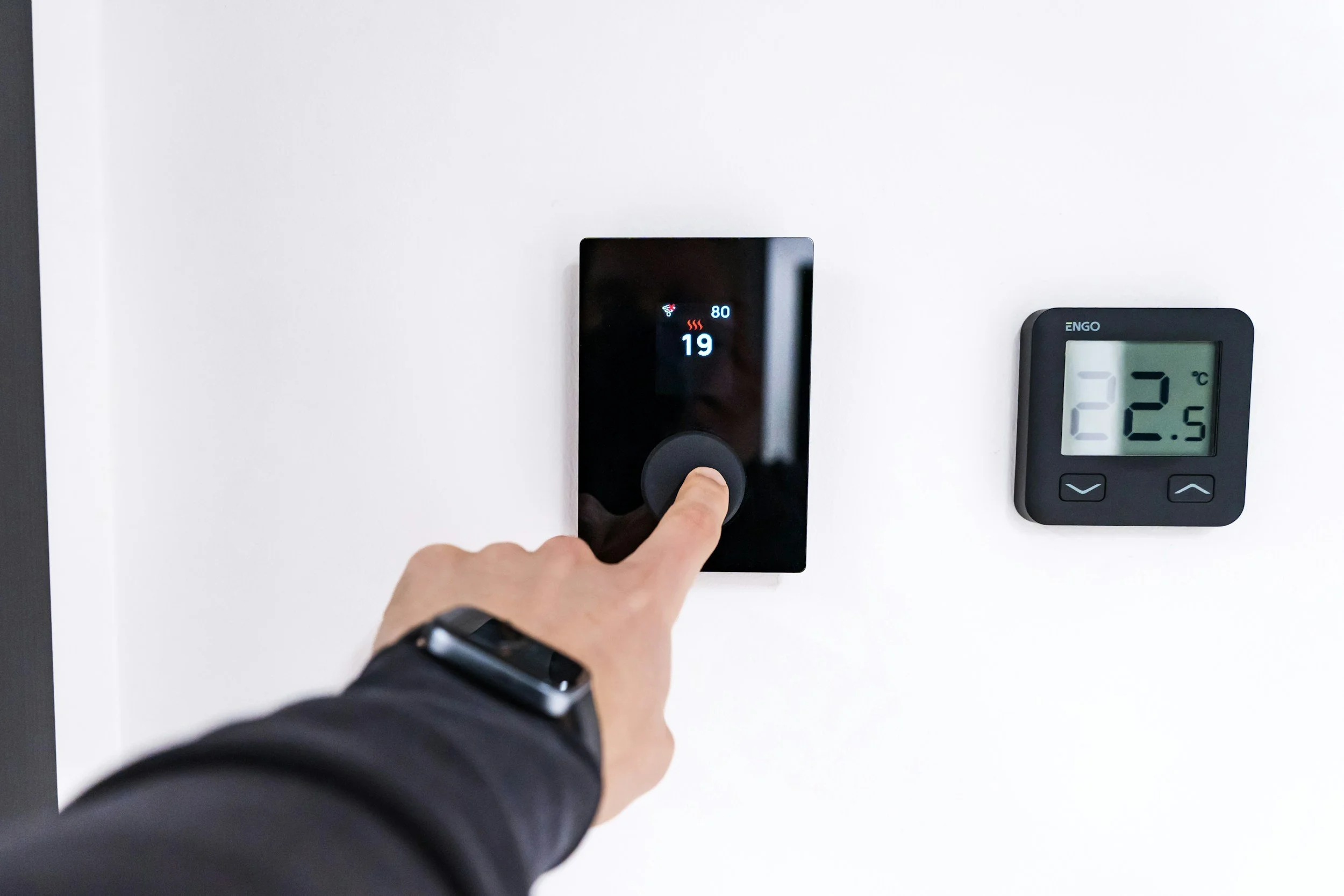
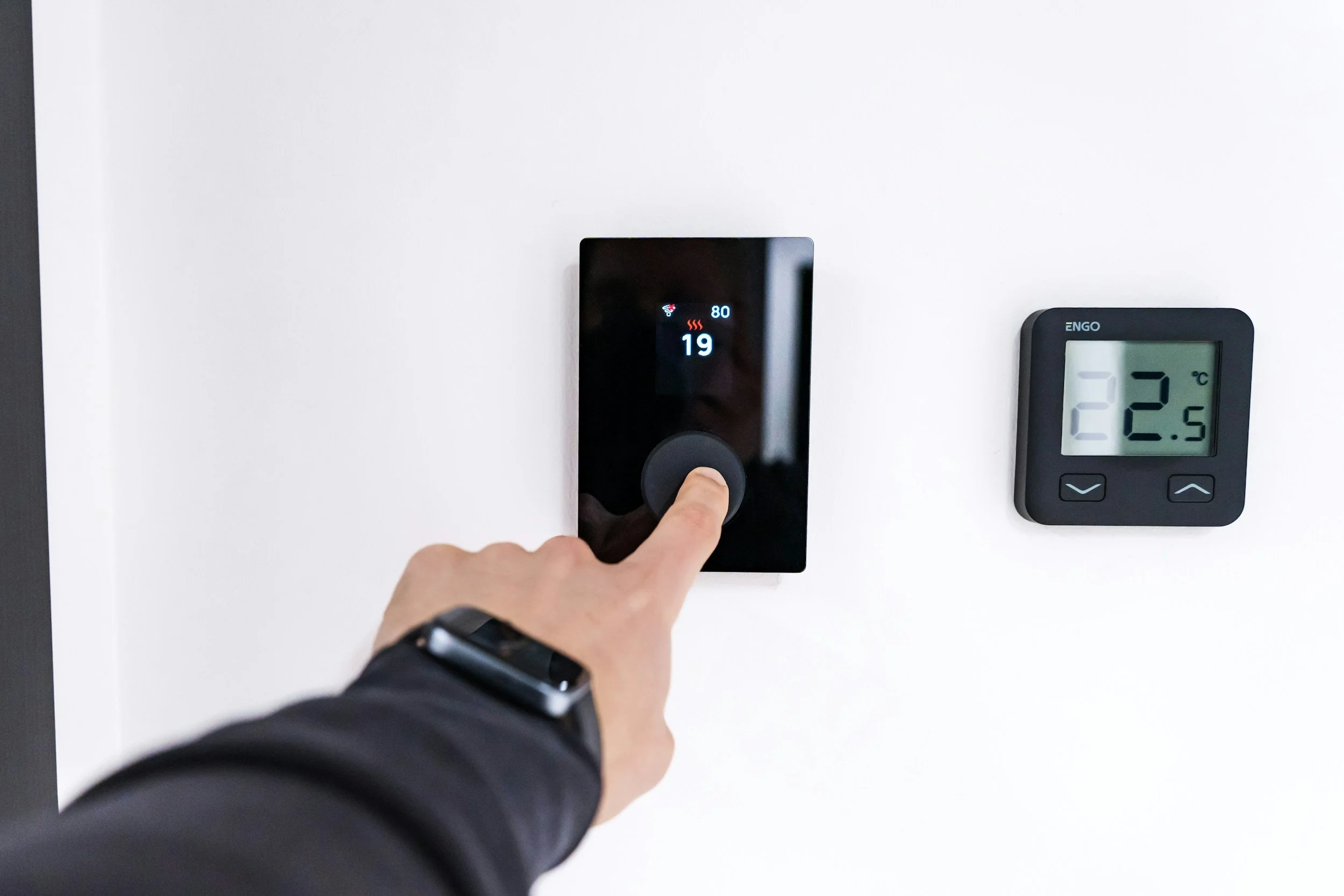
We tend to measure the success of our home's heating and cooling system by one simple question: is it comfortable in here? If the answer is yes, we assume everything is working efficiently and move on with our day. But comfort and efficiency are not always the same thing — and understanding the difference could save you a significant amount of money every single year.
The secret lies not just in how warm or cool your home gets, but in how stable your home's temperature is. And this is where solar window film plays a surprisingly powerful and scientifically interesting role.
Let's dig in.
Your Thermostat Is Smarter Than You Think — But It Has a Weakness
To understand why temperature stability matters so much, it helps to understand a little bit about how your heating and cooling system actually works. At the heart of it is a control system that engineers and HVAC professionals call a PID control loop — which stands for Proportional, Integral, and Derivative control.
Don't let the technical name intimidate you. The concept is actually quite elegant, and once you understand it, you'll never look at your thermostat the same way again.
A PID control loop is essentially a feedback system — a set of instructions that tells your furnace or air conditioner how to respond to the difference between where your home's temperature currently is, and where you want it to be. It works in three coordinated ways:
Proportional control responds to the size of the gap between your current temperature and your target temperature. The bigger the gap, the harder your system works to close it.
Integral control looks at how long that gap has persisted over time. If your home has been too cold or too warm for an extended period, the system ramps up its response accordingly.
Derivative control looks at the rate of change — how quickly is the temperature moving? Is it dropping fast or stabilizing? This helps the system anticipate what's coming and adjust smoothly rather than overreacting.
Together, these three components allow your HVAC system to hunt for the ideal temperature and try to maintain it as efficiently as possible. When everything is working well, your system reaches your target temperature and settles into a comfortable, stable rhythm — running just enough to maintain the sweet spot without constantly overcorrecting.
That's the goal, anyway.
The Problem: Temperature Swings Throw the Whole System Off
Here's where things get interesting — and where most homes quietly lose a lot of energy and money without their owners ever realizing it.
When your home is subject to large, rapid temperature swings — caused by intense sunlight pouring through windows, cold drafts pulling heat away from the glass, or the dramatic outdoor temperature changes that Alberta homeowners know all too well — your HVAC system is forced to constantly play catch-up. Instead of maintaining a stable temperature with gentle, efficient adjustments, it finds itself responding to wild swings that demand a much more aggressive response.
Think of it this way. Imagine you're trying to fill a bathtub to exactly the right level, but someone keeps pulling the plug and letting water rush out while someone else keeps adding cold water from a bucket. No matter how sophisticated your faucet control system is, you're going to spend a lot of time and effort just trying to get back to where you started — let alone holding steady at the right level.
That's exactly what happens to your furnace and air conditioner when your home's thermal envelope is compromised by uncontrolled heat gain in summer and uncontrolled heat loss in winter. The system is no longer operating in its efficient, steady-state sweet spot. Instead, it's lurching between extremes — running hard, shutting off, running hard again — in a cycle that wastes energy, accelerates wear and tear on expensive equipment, and still often fails to deliver consistent comfort.
In engineering terms, the system is experiencing what's called poor setpoint tracking — it's constantly chasing a moving target instead of holding a stable position. And the harder a PID system has to work to chase a moving target, the less efficient it becomes.
Solar Window Film: Reducing the Disturbance, Stabilizing the System
This is where solar window film enters the picture in a genuinely meaningful way — not just as a comfort upgrade, but as a tool that improves the fundamental operating efficiency of your entire HVAC system.
By applying solar window film to your home's windows, you are directly reducing the size and frequency of the thermal disturbances that force your HVAC system to overreact. Here's what that looks like in practice:
In the summer, without window film, the afternoon sun hammers through your west-facing windows and rapidly drives up the temperature in those rooms. Your thermostat detects a sudden spike in temperature — a large deviation from your setpoint — and signals your air conditioner to respond aggressively. The AC kicks into high gear, runs hard, cools the space back down, and shuts off. Then the sun shifts, or a cloud passes, and the temperature drops again. Then it climbs again. This constant cycling — often called short cycling — is one of the most inefficient and mechanically stressful things your air conditioner can do. It consumes more energy per degree of cooling than steady-state operation, and it puts enormous strain on the compressor and other components.
With solar window film in place, that afternoon heat surge is dramatically reduced before it ever enters your home. The temperature rise is slower, smaller, and more gradual — exactly the kind of gentle, manageable change that a well-tuned PID system handles with ease. Your air conditioner responds proportionally, runs at a steady pace, achieves the target temperature smoothly, and maintains it without the frantic cycling. The system is finally operating the way it was designed to.
In the winter, the same principle applies in reverse. Without window film, cold glass acts as a constant drain on your home's heat — pulling warmth out of the room and creating cold spots and drafts near windows that send your thermostat into overdrive. Add a burst of bright winter sunshine warming one side of the house while the other side loses heat to the cold, and your furnace is dealing with uneven, unpredictable temperature swings that are difficult to manage efficiently. Window film's insulating properties reduce this heat loss, evening out the thermal load and allowing your furnace to maintain your target temperature with less effort and fewer aggressive on/off cycles.
Why Steady-State Operation Is So Much More Efficient
It's worth pausing to really appreciate why stable, steady-state operation matters so much from an efficiency standpoint — because the numbers can be striking.
Every time your air conditioner or furnace starts up from a cold state, it consumes a disproportionately large amount of energy during the startup phase before settling into its most efficient operating range. This is similar to how a car uses far more fuel accelerating from a stop than it does cruising at highway speed. The more frequently your system has to start, stop, and restart to chase temperature swings, the more of your energy bill is consumed by these inefficient startup cycles rather than productive, steady-state operation.
A home with a well-stabilized thermal environment — one where temperatures drift slowly and predictably rather than spiking and plunging — allows the HVAC system to spend the vast majority of its operating time in that efficient cruise control zone. Fewer startups. Longer, smoother run cycles. Less wear on the compressor, the heat exchanger, the fan motors, and all the other components that degrade fastest under stop-start stress.
The practical implication is significant: reducing temperature swings doesn't just improve comfort — it extends the lifespan of your equipment and reduces both your energy bills and your long-term maintenance costs simultaneously.
The Whole House Benefit
One of the underappreciated advantages of solar window film is that it improves thermal stability across your entire home, not just in individual rooms. When every window in the house is filtering solar heat gain and reducing heat loss, the overall thermal load on your HVAC system becomes more balanced and predictable. There are fewer hot spots forcing one part of the system to overwork while another part idles. The temperature across different rooms becomes more consistent. And your thermostat — wherever it happens to be located — gets a more accurate and representative reading of your home's overall comfort level.
For homes with zoned heating and cooling systems, this whole-house stabilization effect is even more pronounced. Each zone benefits from reduced thermal disturbances, and the overall system can operate with far greater coordination and efficiency.
A Simple Upgrade With a Surprisingly Deep Impact
What makes solar window film so remarkable from an engineering standpoint is that it improves your home's efficiency not by adding more power or complexity to your HVAC system, but by reducing the demands placed on it in the first place. It's a passive solution — no moving parts, no maintenance, no ongoing costs — that quietly works every single day to keep your home's thermal environment stable, predictable, and easy to manage.
In a well-designed system, the best interventions are often the ones that reduce the problem rather than just respond to it more aggressively. Solar window film does exactly that. It shrinks the temperature swings that drive inefficiency, gives your PID-controlled HVAC system the stable environment it needs to perform at its best, and delivers the kind of quiet, consistent comfort that most homeowners didn't even know they were missing.
Is Your Home's Temperature Stable Enough?
If your home experiences any of the following, solar window film could make a meaningful difference to both your comfort and your energy bills:
Rooms that heat up rapidly in the afternoon sun and take a long time to cool back down
An air conditioner or furnace that cycles on and off frequently rather than running steadily
Noticeable cold spots or drafts near windows during winter months
Uneven temperatures from room to room throughout the day
Energy bills that seem higher than they should be given your home's size and insulation
The solution doesn't have to be complicated. Sometimes the smartest upgrade is the simplest one.
Let's Talk About Your Home
At Secure Tint, we're passionate about helping Alberta homeowners get the most out of their homes — in every season. Our team can assess your home's specific needs and recommend the right solar film solution to maximize your comfort, stabilize your temperature, and help your heating and cooling system work smarter, not harder.
Contact us today for a free consultation — and discover what a difference a stable home can make.
Secure Tint — Quality, Integrity, and Premium Customer Service, Every Time.

Why Window film in Alberta?

When most people hear "window film," they picture someone in a hot, sun-drenched climate trying to cool down their sweltering home. Florida, maybe. Arizona, sure. But Alberta? Land of long winters, frozen lakes, and temperatures that would make a polar bear think twice?
Absolutely — and here's why.
The truth is, Alberta is one of the best places in Canada to invest in residential window film, and it has nothing to do with scorching summers. Our unique climate — with its intense sunlight, reflective snowscapes, and dramatic temperature swings — makes window film not just a luxury, but a genuinely smart upgrade for Alberta homeowners. Let's break it down.
Alberta Is One of the Sunniest Places in Canada — Even in Winter
This surprises a lot of people, but it's true. Alberta consistently ranks among the sunniest provinces in the entire country, and that sunshine doesn't take the winter off. In fact, some of the most intensely bright days of the year happen right in the middle of January and February, when a brilliant blue sky sits above a landscape blanketed in fresh white snow.
And that snow? It's essentially a giant mirror.
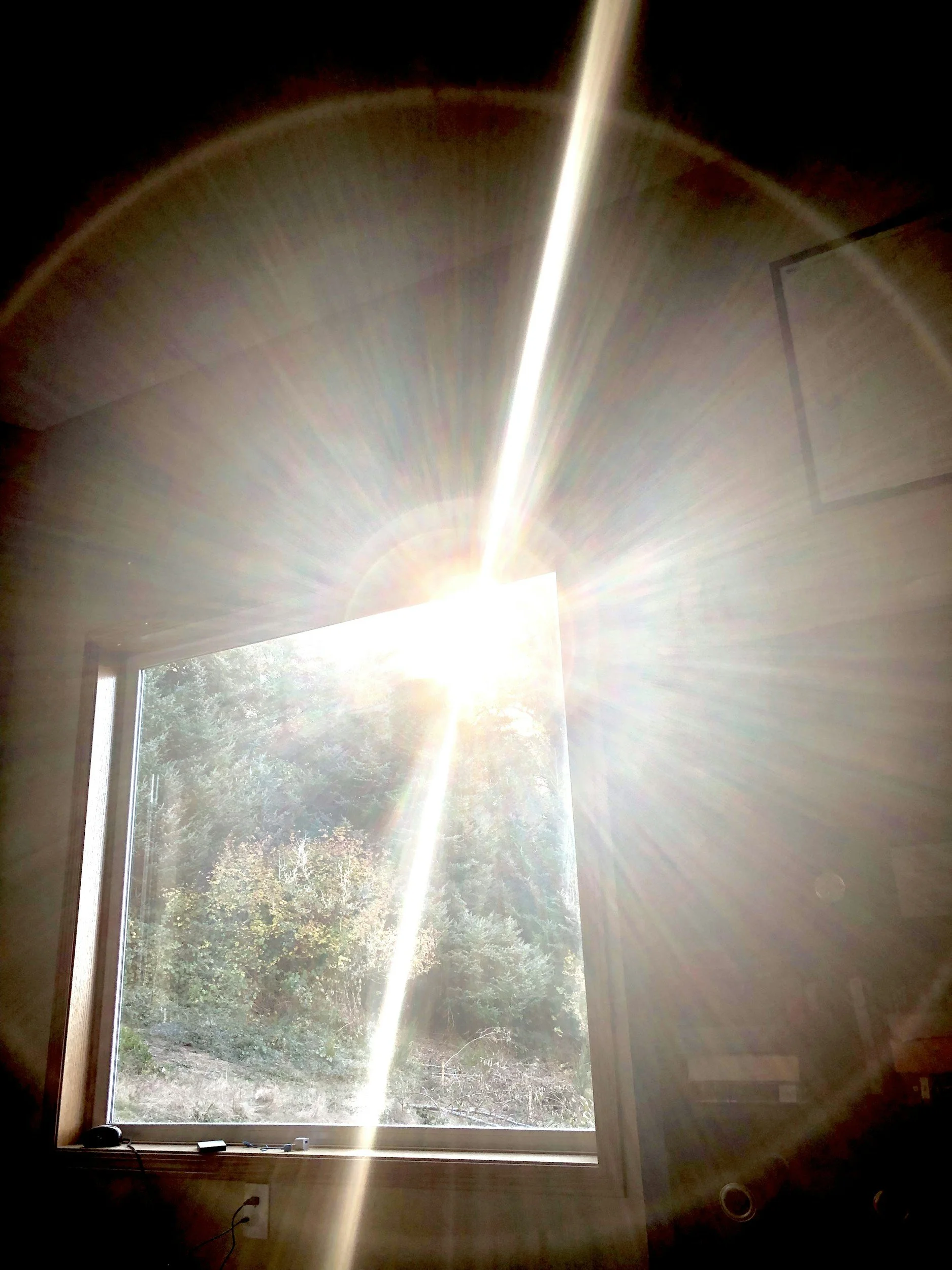
Anyone who has stepped outside on a clear Alberta winter day knows exactly what we're talking about. The glare coming off the snow is relentless — harsh, eye-watering, and impossible to ignore. It floods through south and west-facing windows and fills your home with an intense, flat brightness that makes it hard to watch television, work on a computer, or simply sit comfortably in your own living room. It's the kind of glare that sends you reaching for the blinds even when it's minus twenty outside.
You Already Wear Sunglasses in Winter — So Why Not Put Them on Your House?
Think about it. When you walk out the door on a bright Alberta winter day, the first thing you do is reach for your sunglasses. Not because it's hot — it most certainly is not — but because the light is intense, the glare off the snow is blinding, and your eyes need protection. Nobody questions this. It's just common sense.
So why should your home be any different?
Your windows are your home's eyes. On those same brilliant winter days, they're taking the full force of that reflected sunlight and funneling it straight into your living spaces. Solar window film works exactly like a quality pair of sunglasses for your home — filtering out the harsh, uncomfortable components of that light while still letting the warmth and brightness you actually want come through. The glare disappears. The brightness softens into something pleasant. Your rooms become comfortable again, even on the most blindingly bright days of the year.
It's one of those ideas that, once you hear it, seems completely obvious. Of course your house should have sunglasses. You wouldn't go without yours.
Window Film Isn't Just About Keeping Cool — It Keeps the Heat IN, Too
Here's where a lot of Alberta homeowners are genuinely surprised. There's a common misconception that window film is purely a summer product — something you invest in to keep your home cool when the temperature climbs. And while it absolutely does that, the story doesn't end there. Not by a long shot — especially not in a province where winter temperatures regularly plunge well below minus twenty and heating bills can be eye-watering.
Quality window film acts as an insulating layer on your existing glass. Windows are one of the biggest sources of heat loss in any home — even double and triple pane windows allow a significant amount of your expensive, hard-earned heat to escape into the Alberta cold. Window film helps address this by adding an additional thermal barrier to the glass, slowing the transfer of heat from your warm interior to the frigid air outside.
The practical result? Your furnace doesn't have to work as hard to maintain a comfortable temperature. Cold drafts near windows are reduced. Those chilly spots by the glass on a January night become noticeably more bearable. And your heating bills reflect the difference.
Think of it as a thermal upgrade for your existing windows — one that works in both directions. In the summer, it slows the heat coming in. In the winter, it slows the heat going out. For Alberta homeowners dealing with both extremes, that year-round performance is enormously valuable and makes window film one of the most practical home investments available.
The Alberta Climate Makes Window Film a Year-Round Performer
Let's put it all together. As an Alberta homeowner, you're dealing with:
Intense winter glare off snow-covered landscapes that invades your home for months on end
Brutal cold that drives up your heating costs and makes rooms near windows uncomfortable
Bright, warm summers where solar heat gain through windows drives up cooling costs
Dramatic temperature swings that stress your home's thermal envelope season after season
UV radiation that is present year-round — even on overcast days — slowly fading your furniture, floors, and belongings
Window film addresses every single one of these challenges. It's not a seasonal product. It's not just for warm climates. It's a year-round solution perfectly matched to the unique demands of Alberta living — from the first blinding snowfall of October to the long, sun-soaked evenings of July.
Alberta Winters Are Long Enough Without Being Uncomfortable Indoors
We already spend enough of the winter bundled up, scraping windshields, and navigating icy roads. Your home should be your refuge — warm, comfortable, and free from the glare and chill that the season throws at us relentlessly. Window film won't change the weather outside, but it will absolutely change how your home feels inside, and that's something every Albertan can appreciate.
Ready to Put Sunglasses on Your House?
At [Company Name], we understand Alberta's climate because we live and work here too. We know what our winters look like, what our summers feel like, and what Alberta homeowners need from their homes year-round. Our team is here to help you find the right window film solution for your home — one that delivers real comfort, real energy savings, and real protection through every season our province throws at us.
Contact us today for a free consultation — and let's talk about what window film can do for your Alberta home.
[Company Name] — Quality, Integrity, and Premium Customer Service, Every Time.
the Benifits of solar film in your home
When most homeowners think about cutting energy costs, improving comfort, or protecting their belongings, they think big — new windows, upgraded insulation, a smarter HVAC system. These are all worthy investments, but they come with hefty price tags and significant disruption to your daily life. What if there was a simpler solution — one that could deliver many of the same benefits at a fraction of the cost, installed in a single day without any renovation chaos?
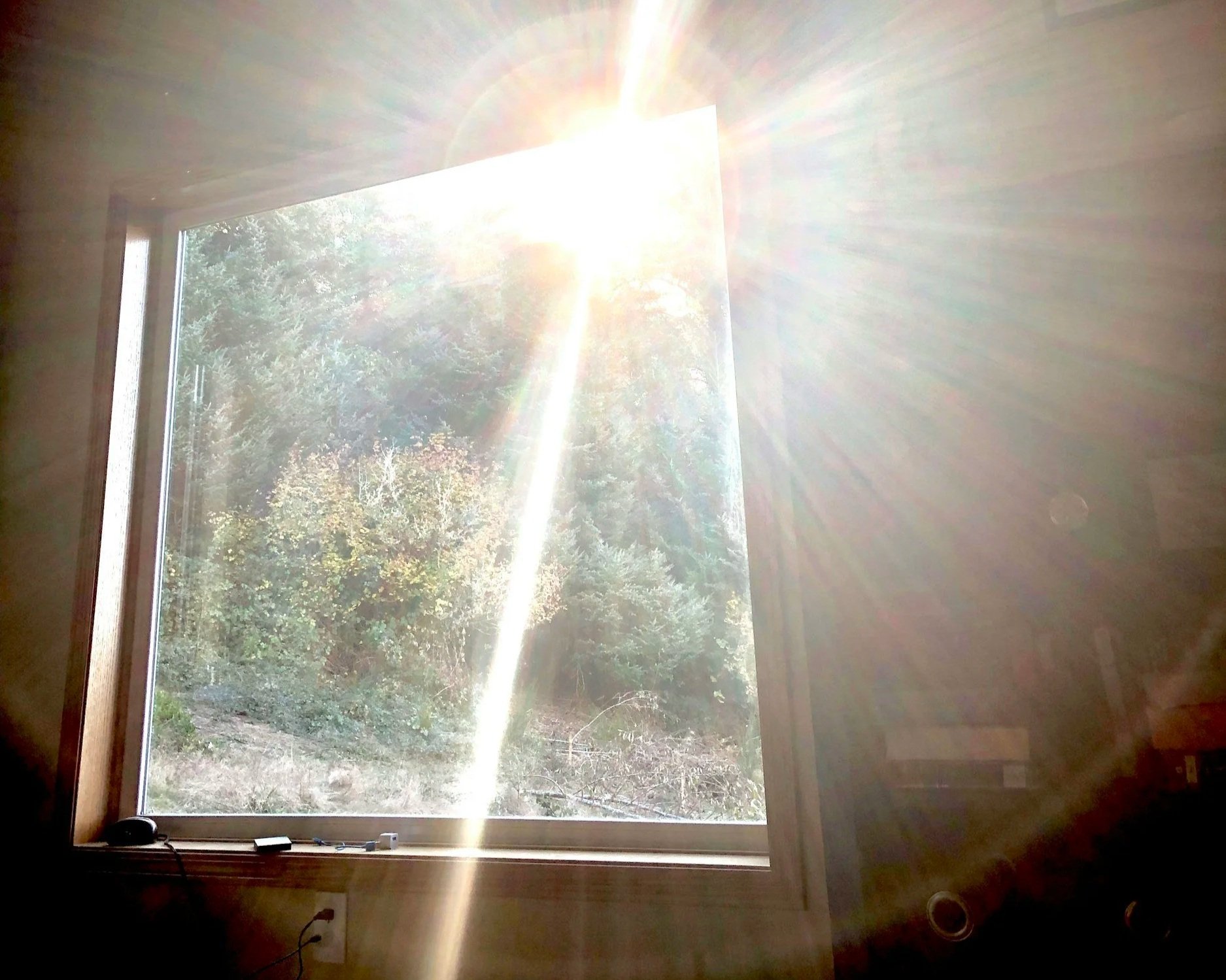
When most homeowners think about cutting energy costs, improving comfort, or protecting their belongings, they think big — new windows, upgraded insulation, a smarter HVAC system. These are all worthy investments, but they come with hefty price tags and significant disruption to your daily life. What if there was a simpler solution — one that could deliver many of the same benefits at a fraction of the cost, installed in a single day without any renovation chaos?
Enter solar window film. If you haven't considered it yet, you might be surprised just how much this thin, unassuming product can transform your home. Here's what you need to know.
What Exactly Is Solar Window Film?
Solar window film is a thin, optically clear or lightly tinted layer of specialized film applied directly to the interior surface of your existing windows. Using advanced technology, it selectively filters the sun's energy — blocking the harmful and uncomfortable components while still allowing natural light to flow into your home. The result is a brighter, more comfortable living space that works smarter against the elements all year long.
1. Say Goodbye to High Energy Bills
Let's start with the benefit most homeowners care about most — saving money.
During the summer months, windows are one of the primary culprits behind rising indoor temperatures. The sun's infrared rays pass through ordinary glass and heat up your living spaces, forcing your air conditioning to work overtime just to keep up. Solar window film acts as a thermal barrier, blocking a significant portion of that solar heat before it ever enters your home. The difference can be dramatic — rooms that once felt unbearably warm by mid-afternoon stay noticeably cooler, and your AC runs less frequently to maintain a comfortable temperature.
In the winter, the benefits continue. Many solar films also help retain interior heat, reducing the amount of warmth that escapes through the glass on cold nights. The end result is a home that stays more consistently comfortable throughout the year — and energy bills that reflect it. Many homeowners report meaningful reductions in their heating and cooling costs after installation, making solar film one of the few home upgrades that genuinely pays for itself over time.
2. Dramatically Reduce Glare Without Sacrificing Your View
If you've ever tried to watch television, work from home, or simply relax in a sun-drenched room and found yourself squinting or constantly adjusting the blinds, you know how frustrating glare can be. And the usual solutions — heavy curtains, blackout blinds, shutters — solve the glare problem by blocking your view entirely. That's a trade-off most homeowners would rather not make.
Solar window film offers a far more elegant solution. By filtering the intensity of incoming sunlight, it significantly reduces glare on screens, surfaces, and eyes — without darkening your rooms or obstructing your view of the outdoors. You get to keep the natural light and the scenery while eliminating the discomfort that comes with it. For home offices, living rooms with large windows, or any space where screens are in use, the difference is immediately noticeable and deeply appreciated.
3. Protect Your Furniture, Flooring, and Belongings from UV Damage
Here's a fact that surprises many homeowners: up to 99% of the sun's ultraviolet rays can pass through ordinary untreated glass. While UV rays are invisible, their effects on your home's interior are anything but. Over time, prolonged UV exposure causes fabrics to fade, wood floors to discolor, artwork to lose its vibrancy, and leather furniture to crack and deteriorate. The damage is gradual, but it's cumulative — and by the time it's visible, it's already too late.
High-quality solar window film blocks the vast majority of harmful UV rays, acting like a sunscreen for your home's interior. Your hardwood floors keep their rich color. Your furniture stays vibrant longer. Your artwork, photographs, and cherished belongings are shielded from the silent, steady damage that sunlight inflicts year after year. For homeowners who have invested in quality furnishings or irreplaceable décor, this protection alone can justify the cost of installation many times over.
4. Improve Comfort in Every Room of Your Home
Every home has that one room — the south-facing bedroom that turns into an oven by noon, the sunroom that's gorgeous in theory but sweltering in practice, the home office where the afternoon sun makes it impossible to focus. These temperature imbalances are frustrating, and they often lead homeowners to close off entire areas of their homes during certain times of day.
Solar window film helps even out these hot spots by reducing the amount of solar heat that enters through problem windows. Rooms that were previously too uncomfortable to use become genuinely livable, and your home feels more consistently comfortable from room to room. It's a subtle but significant improvement in the day-to-day quality of life inside your home — and one that every member of the family will notice.
5. Enhanced Privacy Without Losing Natural Light
Depending on the type of solar film selected, homeowners can also enjoy an enhanced level of daytime privacy. Certain solar films carry a light reflective quality that makes it difficult for passersby or neighbors to see into your home during daylight hours — all while maintaining your clear outward view. For homes on busy streets, in dense neighborhoods, or with windows that face adjacent properties, this added privacy can be a genuine lifestyle improvement without the need for blinds or curtains that block your light entirely.
6. A Non-Invasive, Affordable Alternative to Window Replacement
Many homeowners dealing with drafty, inefficient, or uncomfortable windows assume their only option is a full window replacement — a project that can cost thousands of dollars per window and weeks of disruption. Solar window film offers a compelling alternative. Applied directly to your existing glass, it enhances the performance of your current windows dramatically, often bringing them close to the efficiency of modern double or triple-pane glass at a small fraction of the replacement cost.
The installation process itself is clean, fast, and minimally disruptive. In most cases, a professional installation can be completed in a single day, with no mess, no construction, and no need to temporarily vacate your home. For homeowners who want real results without a major renovation, it's an almost unbeatable value proposition.
7. It Looks Great, Too
One concern homeowners sometimes raise is whether window film will change the appearance of their home — inside or out. The good news is that modern solar films are a far cry from the dark, reflective tints of the past. Today's products come in a wide range of subtle tones and finishes, many of which are virtually invisible up close. From the outside, solar film can actually enhance your home's curb appeal by giving your windows a clean, uniform appearance. From the inside, you'll simply notice that your rooms look better — brighter, more comfortable, and free of the harsh glare that once made certain spaces difficult to enjoy.
Is Solar Window Film Right for Your Home?
If your home suffers from any of the following, solar window film is almost certainly worth a closer look:
High summer cooling bills or an overworked air conditioning system
Rooms that are too hot, too bright, or too uncomfortable during certain times of day
Fading or UV damage to furniture, flooring, or belongings
Glare on televisions, monitors, or other screens
A desire for more privacy without sacrificing natural light
Windows that underperform but don't yet warrant full replacement
The truth is, solar window film addresses all of these issues simultaneously — and it does so at a price point that makes it accessible to virtually any homeowner.
Ready to Experience the Difference?
At Secure Tint, we've helped countless homeowners discover just how transformative the right window film can be. Our team of experts will assess your home, listen to your specific needs, and recommend the ideal solar film solution to maximize your comfort, savings, and protection.
Contact us today for a free in-home consultation — and take the first step toward a cooler, more comfortable, and more efficient home!
Secure Tint— Quality, Integrity, and Premium Customer Service, Every Time.